

In today’s digital age, social media is more than just a platform for sharing photos or thoughts—it’s a battleground for ideas, influence, and public discourse.
As a reporter who follows the intersection of politics, culture, and social media trends, I’ve seen firsthand how a single post can ignite nationwide conversations. Erika Kirk, wife of conservative activist Charlie Kirk, recently posted content that has set the internet abuzz, prompting both praise and criticism.
Beyond the immediate controversy, her post raises deeper questions about free speech, online censorship, and the responsibilities of social media platforms. Understanding the context behind Erika’s message—and the influence of her husband, Charlie Kirk—provides insight into why this discussion has struck such a nerve. In this article, I’ll break down Erika Kirk’s post, the public reaction, and the broader implications for digital discourse today.

Who Is Erika Kirk? From Miss Arizona to Influential Entrepreneur
Erika Kirk, née Frantzve, is far more than the spouse of a prominent conservative figure. She earned national recognition as Miss Arizona, leveraging her platform to pursue business ventures and philanthropic projects. Over the years, Erika has established herself as a successful entrepreneur and advocate for conservative principles, building a substantial social media following that amplifies her voice. Her journey from pageantry to entrepreneurship highlights her independent achievements and explains why her opinions garner attention beyond her association with Charlie Kirk.
Charlie Kirk’s Influence and Context
To understand Erika Kirk’s post, it’s crucial to recognize her husband’s role in shaping conservative discourse. Charlie Kirk is the founder and president of Turning Point USA, a nonprofit organization that promotes conservative values on college campuses across the United States. He also hosts The Charlie Kirk Show, a widely listened-to podcast discussing politics, culture, and education from a conservative lens. His prominence in media and politics provides a backdrop for Erika’s visibility and the influence of her social media activity.
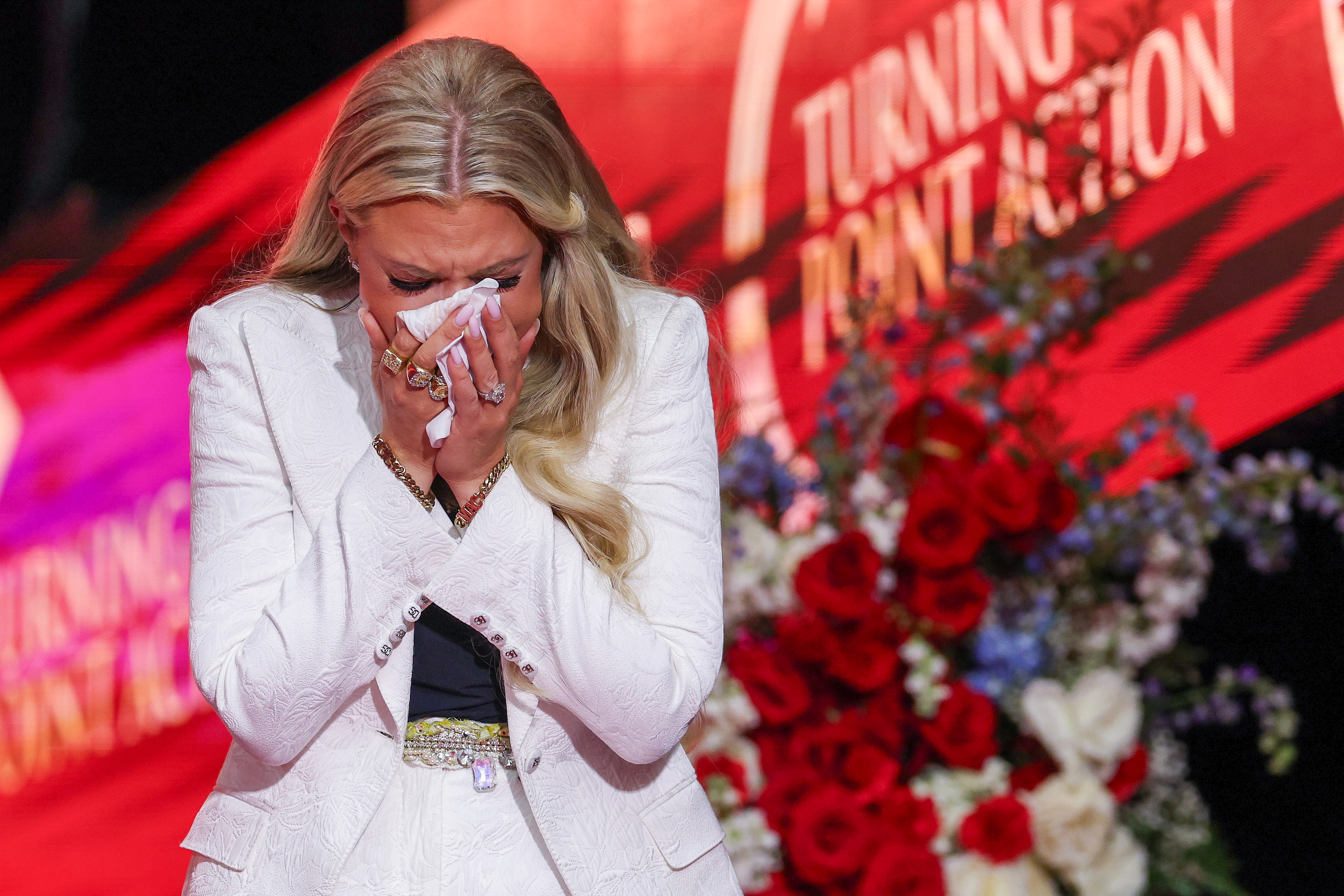
What Sparked the Controversy? Erika Kirk’s Social Media Post
Erika Kirk’s recent post addressed a hot-button topic: free speech and the moderation policies of social media platforms. In her message, she warned against censorship and emphasized the need for diverse viewpoints online, arguing that conservative voices are disproportionately silenced. The post quickly went viral, attracting attention from both supporters and critics.
Supporters Applaud: Standing Up for Free Speech
Many social media users and conservative commentators praised Erika for defending free speech. Supporters highlighted her courage in addressing the perceived bias of major platforms and commended her call for open dialogue. The post resonated with those concerned about digital censorship and the narrowing space for diverse opinions in online conversations.
Critics Respond: Concerns About Polarization and Oversimplification
Not everyone agreed with Erika’s stance. Critics argued that the post oversimplified complex issues surrounding content moderation and could contribute to further political polarization. They stressed that social media companies have a responsibility to curb misinformation and harmful content, suggesting that unchecked speech could pose risks to public discourse and online safety.
The Broader Debate: Free Speech vs. Censorship
Erika Kirk’s post is part of a larger discussion about the balance between individual expression and collective responsibility. Advocates of free speech argue that citizens should voice opinions without fear of suppression, while others point to the dangers of harmful content spreading unchecked. Social media platforms sit at the heart of this debate, tasked with enforcing policies while responding to pressures from users, governments, and advocacy groups.
Why Erika Kirk’s Post Matters
The attention surrounding Erika Kirk’s post underscores how influential figures can shape public dialogue on social media. Beyond the immediate reactions, the post illustrates broader societal questions about censorship, platform accountability, and the intersection of technology and politics. As the debate unfolds, it serves as a reminder that words—especially in the digital space—carry immense power and responsibility.
Final Thoughts: Navigating Online Discourse in 2025
Erika Kirk’s viral post highlights the ongoing tensions between free expression and online moderation. For anyone engaged in digital conversations, understanding these dynamics is critical. This debate isn’t just about one post—it reflects the challenges of maintaining a healthy, balanced online environment where diverse perspectives can coexist. As we continue to navigate social media’s role in public life, Erika Kirk’s post reminds us of the importance of engaging thoughtfully and respecting differing viewpoints.